
The Cheapest Ways to Stay Warm at Home Without Turning the Heating Up
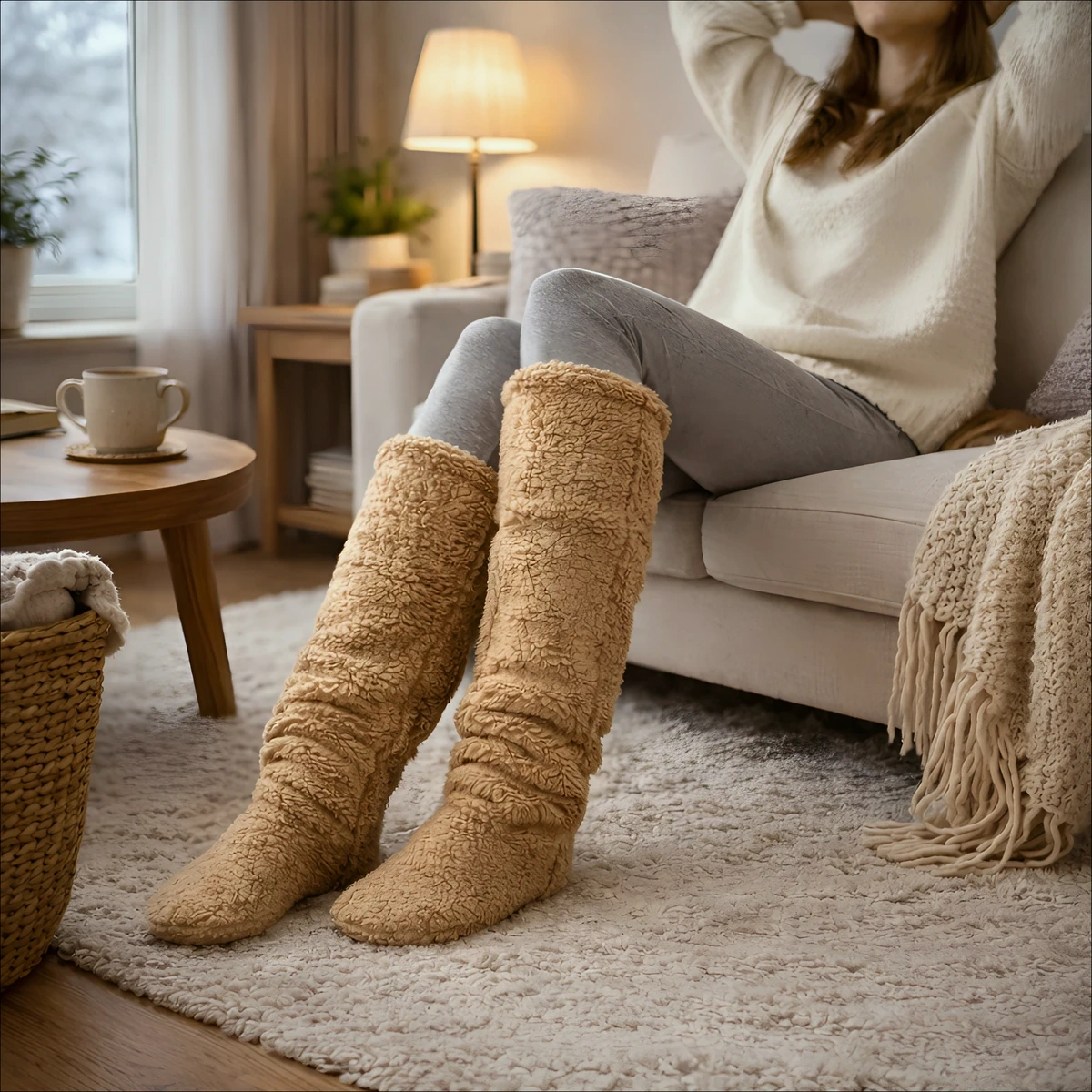
The cheapest way to keep warm at home without turning the heating up is to warm your body and trap the heat you already have, not to heat the whole room. Here is the maths that makes the case. Under the Ofgem cap for 1 July to 30 September 2026, the average electricity unit rate on Direct Debit is 26.11p per kWh (Ofgem). Your region and payment method shift it a little. At that rate, a 2kW plug-in heater run continuously at full power costs roughly 52p an hour. A hot water bottle costs around 4p to fill, for roughly a litre and a half of hot water heated in a kettle, used to the manufacturer’s instructions. A heated throw on its highest setting, around 120W, is roughly 3p an hour. An extra layer costs nothing once you own it. Once the room is at a sensible temperature, warming your body costs pennies where the usual advice tells you to spend pounds. One limit before the numbers. This is about spending less on top of adequate heating, not going without it. NHS guidance puts regularly used rooms at at least 18°C, and it matters most for people over 65, anyone with a heart or lung condition, and anyone with limited mobility. If your home sits below that, heating it is the fix and nothing on this page replaces it.
You probably know the moment this is written for. It is half past eight, the room is warm enough by any thermostat reading, and your calves are still cold through two pairs of socks. Your hand goes to the dial anyway, and you do the sum about the bill before you touch it. That hesitation is the thing worth solving, and it does not need a new boiler.
Is a plug-in heater cheaper than your central heating?
Most advice about heating one room instead of the whole house is sound, and it is what the NHS suggests if you cannot heat everywhere. The trouble starts with what people buy to do it.
A plug-in electric heater feels like the careful choice. Heat the room you are sitting in, keep the rest of the house cooler, spend less. The unit prices say something else. Under the same cap, gas costs 7.33p a unit and electricity costs 26.11p. That makes electricity about three and a half times the price per unit. A boiler is not perfectly efficient, so the gap in delivered heat is smaller. It is still around three times.
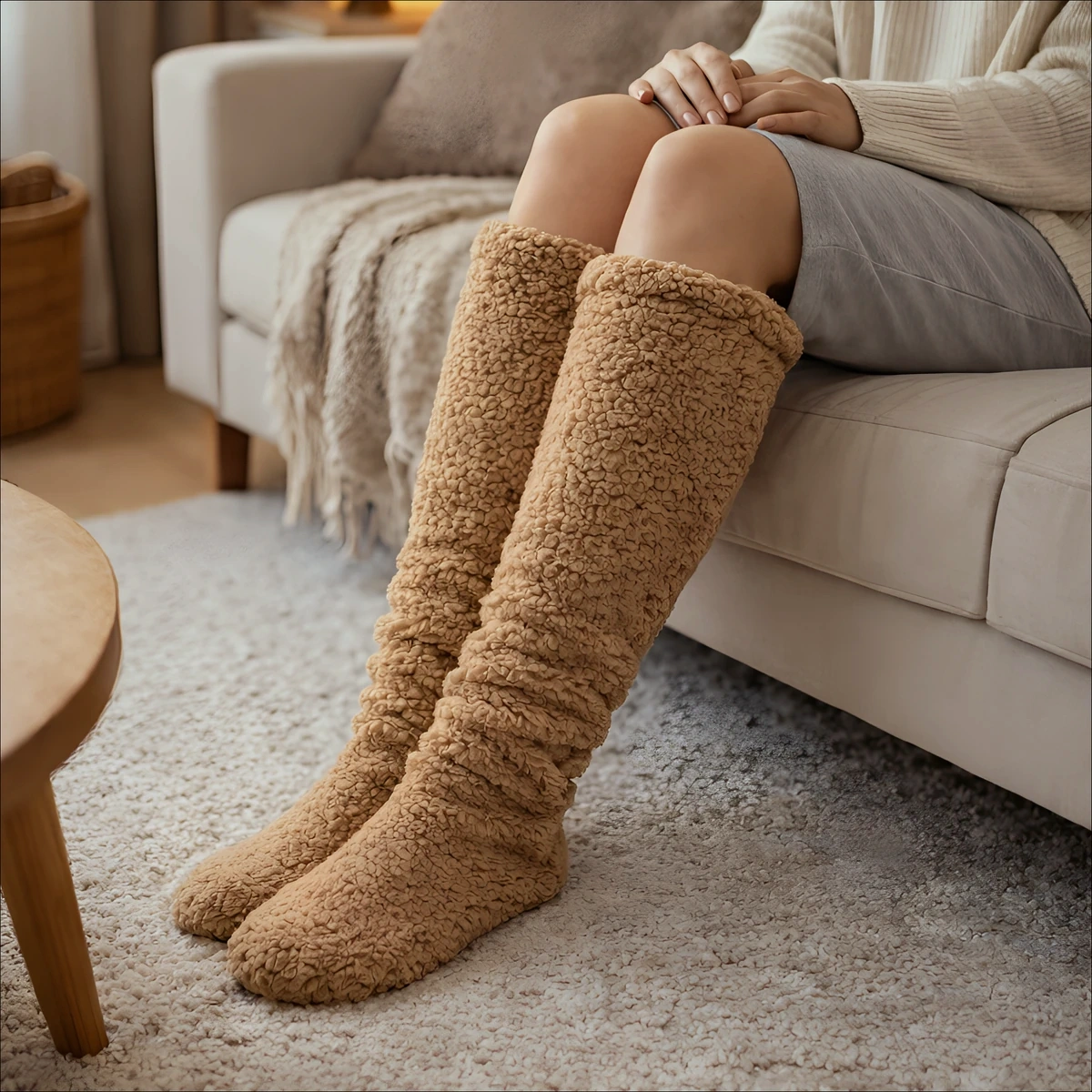
That is the part worth arguing with, because it inverts the advice. A boiler cycles off once the house reaches temperature. A plug-in heater with a thermostat does the same. But on high in a cold room it spends most of the evening running, at 52p for every hour it does. A heater bought during a cold snap also tends to be run hardest that same week. That is when the sum turns against you fastest.
None of which means you should sit in the cold. It means the money goes further on the two things below than on the appliance that looks frugal.
The quick cost table
Everything below costs less to run than a plug-in electric heater at about 52p an hour. That heater is the expensive way to add warmth once your heating is already doing its job:
| Method | Rough cost to run | Against the 52p/hour heater |
|---|---|---|
| Extra layers (socks, base layer, cover for your legs) | 0p once you own them | free, and warms you not the air |
| Hot water bottle | ~4p to fill | stays warm for hours; use as directed |
| Heated throw or electric blanket (120W) | ~3p an hour | draws about 17 times less power |
| Draught excluder or a rolled towel | one-off, a few pounds | one-time cost, then it keeps working |
| Close curtains at dusk | free | keeps the heat you have already paid for |
How these are worked out: watts divided by 1,000, times hours, times 26.11p. A 2kW heater for an hour is 2 x 26.11p. A 120W throw is 0.12 x 26.11p, near enough 3p. The bottle assumes about a litre and a half heated in an electric kettle, so the exact figure moves with your kettle and how cold the water starts. Change the wattage, the fill or your tariff and the pennies move, but the ranking by running cost barely does. A heated throw at 3p an hour sits in the same territory as the small electronics you leave on without thinking. These are not all doing the same job, though. A heater warms the room; a heated throw draws about a seventeenth of its power but warms one person, not the space; layers, curtains and draught-proofing cut what you lose rather than add heat. The table compares what each costs to run, not whether one swaps in for a properly heated room. None of it says you should sit in the cold to save the 52p: the cheap options reduce what you spend on top of a warm room, not the warm room itself.
Is it cheaper to heat yourself or the room?
A customer of ours described the problem before she described the answer. “Our house is big, and it gets a bit cold in winter because it’s hard to heat up such a large space.” That is the sum in one sentence. You are not paying to be warm. You are paying to warm a volume of air, and the bigger it is, the worse your money does.
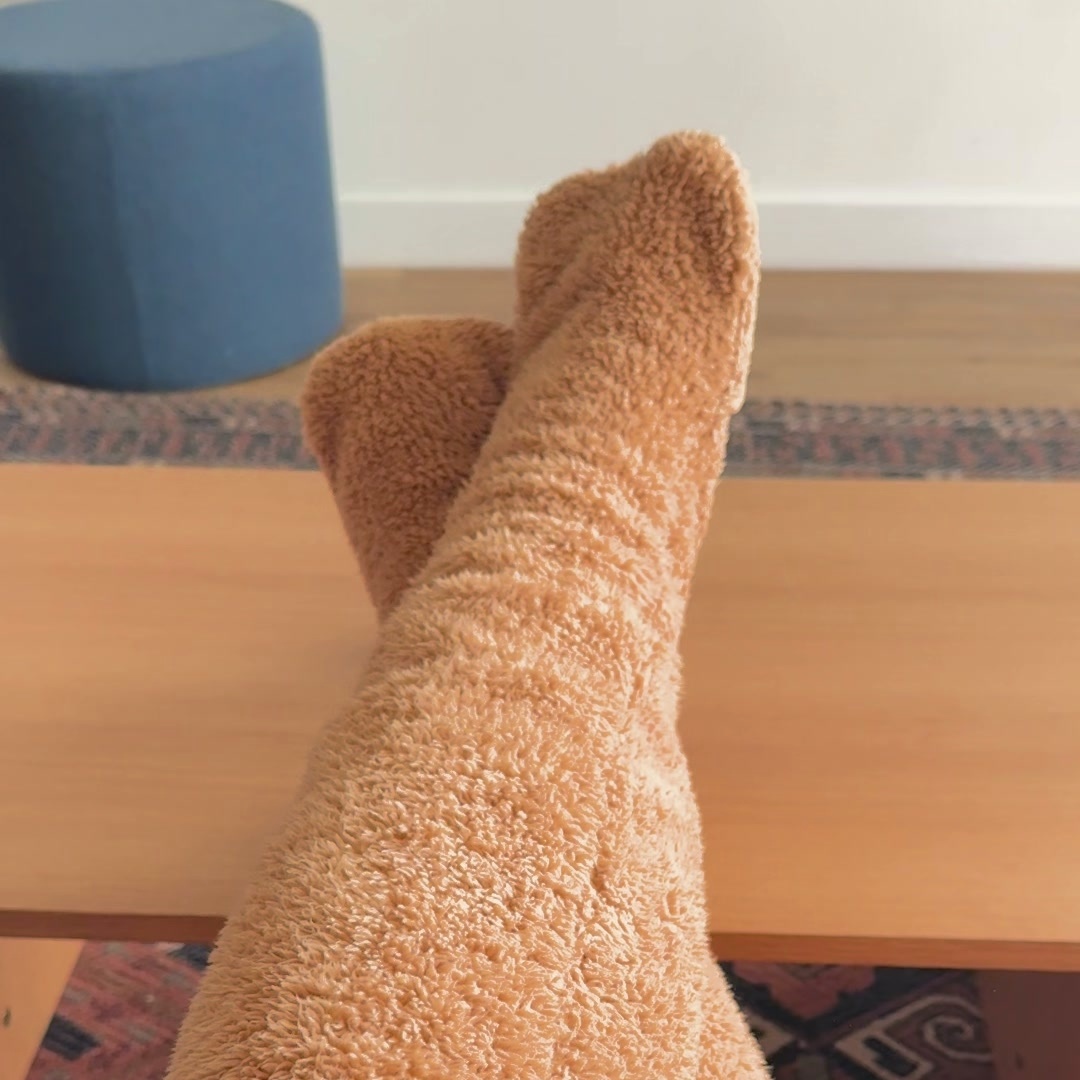
Warming yourself skips that volume: a layer works on one person, not the air. In the cold your body pulls blood back towards your core to protect it, which is why many people feel it in their hands and feet first. So if your legs are where you notice it, covering them makes a real difference. Warm socks, a base layer and a cover over your legs target the cold you feel directly, which turning the dial up does not, and an over-the-knee fleece layer like ours costs nothing per hour to run. If you want to know what separates a warm pair from a thin one, the best fleece-lined leg warmers covers what to look for. The 52p heater is still trying to warm the air near the ceiling.
If your legs are the sticking point, how to keep your legs warm at home goes deeper on that one area.
Where does the heat you paid for go?
Every unit you have already bought is worth more than the next one, and the numbers say where it goes. In an uninsulated home, the Energy Saving Trust puts heat loss at about 33 per cent through the walls, 25 per cent through the roof, and 10 to 20 per cent through the floor.
Read that as a spending guide rather than a list of jobs. The two biggest losses need insulation work, not an evening of draught-proofing. In a rented flat they are not yours to change at all. The floor is the one that is both significant and cheap to soften. A rug where you sit makes a cold floor far more comfortable underfoot for a few pounds, though a rug is not floor insulation and that heat-loss figure measures the structure, not the rug. A draught excluder is the other cheap buy: it has no hourly running cost and cuts a specific draught you can feel. Just don’t block airbricks, vents or any airflow a gas appliance needs, that ventilation is there for safety.
If you rent and the heating itself is the problem, that is a different question. How to warm up a cold rented flat covers what you can do and what you can ask your landlord to fix.
What works in each room?
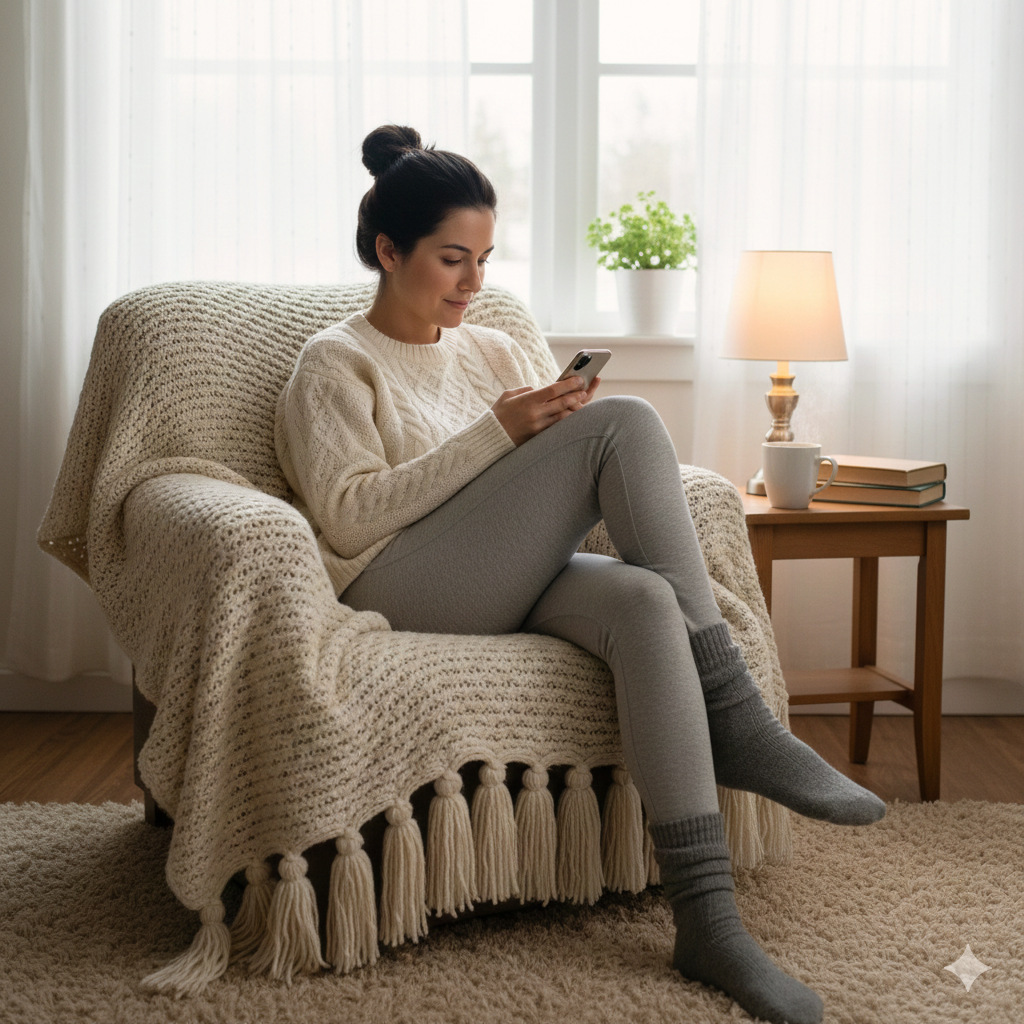
The living room is where you sit still longest. Layer up and keep a blanket to hand there. In the bedroom, warm bedding, a hot water bottle and socks add comfort on top of a room kept at a temperature that suits the sleeper, not instead of heating it, which matters most for older people, young children and anyone with a health condition. If you work from home, a cold desk is its own problem, and a blanket over your knees targets the cold directly while the thermostat warms the whole room.
Explore the guides
Pick the guide that fits, a rented flat you cannot control, or getting through the coldest month:
- How to warm up a cold rented flat, what you can still do when you can’t control the heating.
- How to keep warm in January without cranking the heating, getting through the coldest, most expensive month.
- Is an electric blanket cheaper than heating?, what the two actually cost to run side by side.
- How to warm a cold bedroom, keeping it comfortable overnight without overheating.
Looking for something else?
- If your legs are the sticking point, see how to keep your legs warm without turning up the heating.
- If you feel the cold more than most, see why am I always cold at home.
A blanket over your knees at half past eight, the weight of it settling, the cold going out of your shins while the room stays exactly as warm as it already was, and no reason to reach for the dial.
FAQ
Heating yourself is cheaper, because you only warm the small space around your body instead of the whole room. Warm layers do a similar job to a higher thermostat setting for a fraction of the cost. This works on top of a properly heated room, not instead of one. NHS guidance puts regularly used rooms at at least 18°C.
Layer your bed and your body: warm socks, a hot water bottle and an extra blanket add warmth overnight. Treat them as comfort on top of a bedroom kept at a suitable temperature, not a substitute for it, especially for older people, young children or anyone with a health condition.